Late Arrivals Club
Bibliography with Notes plus Bonus Content
Delve, Ken. The Desert Air Force in WWII: Air Power in the Western Desert 1940-1942. South Yorkshire: Pen & Sword Books, Ltd, 2017. Kindle.
Chapter 1 Introduction
“Losses…and ‘Walking Out’ (the Boomerang Club or Late Arrivals Club).”
Delve, Ken. The Desert Air Force in WWII: Air Power in the Western Desert 1940-1942. South Yorkshire: Pen & Sword Books, Ltd, 2017. Kindle.
Chapter 3 From Victory to Defeat and Stalemate
“…”At 8:20 one Hurricane appeared on the aerodrome out of the sand haze and to the amazement of our Australian Defense Officers two pilots clambered out of the cockpit…”
Ellis, Fiona. Growing up in WW2. WW2 People’s War. https://www.bbc.co.uk/history/ww2peopleswar/stories/48/a4530548.shtml
“Later I also volunteered at the Boomerang Club in part of Australia House; a club open to all ranks of Australian servicemen and there I met someone very special.”
Silverleib, Alan CNN. British WWII fighter found in Egyptian desert. CNN. https://www.cnn.com/2012/05/11/world/british-wwii-plane
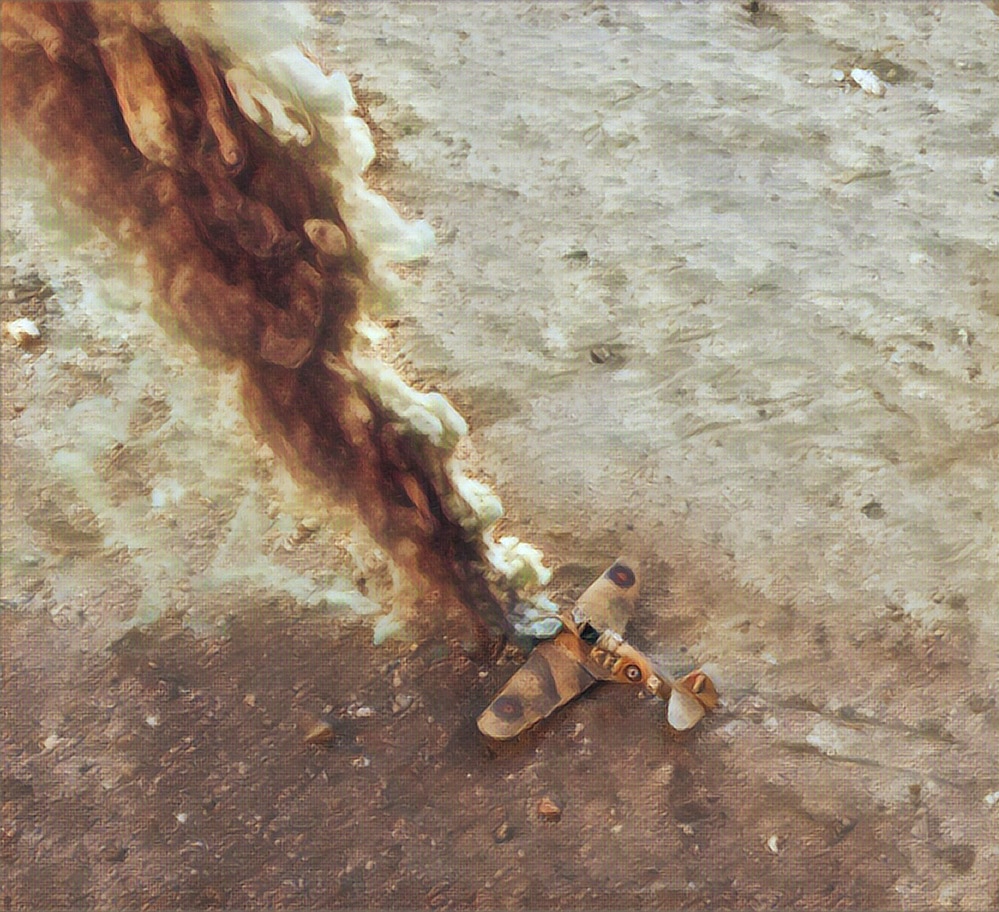
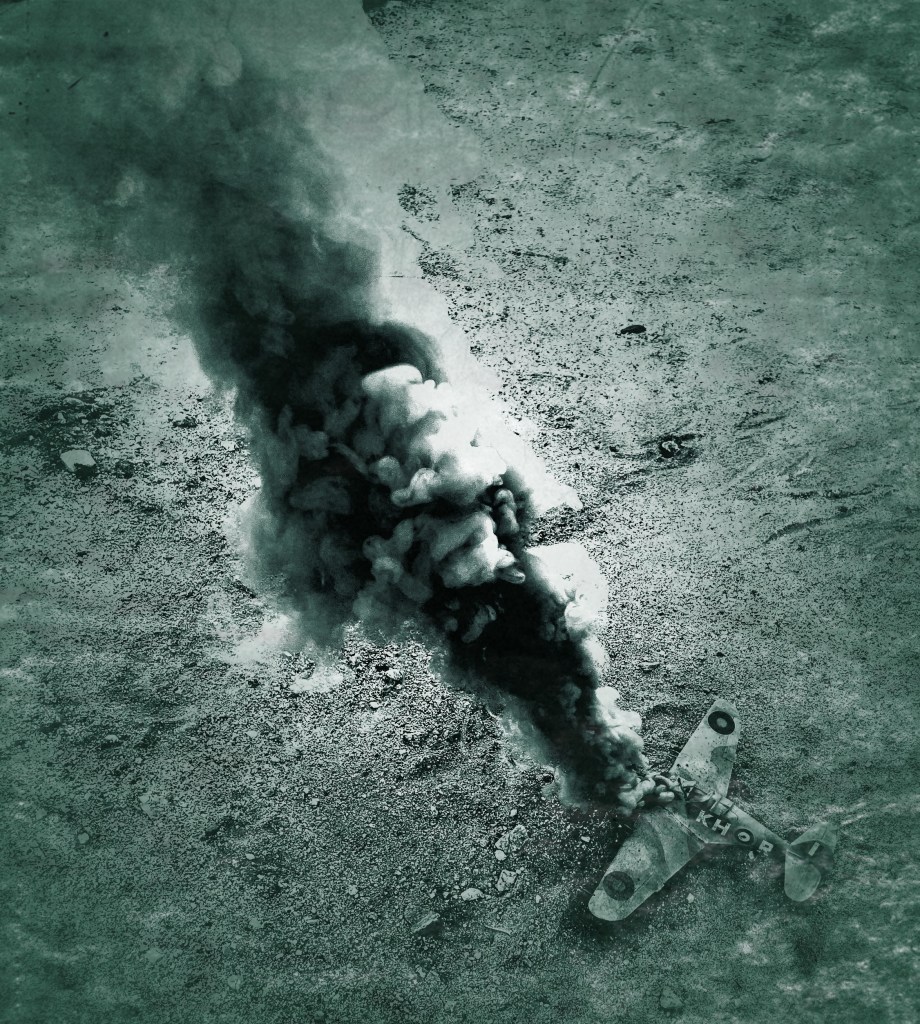
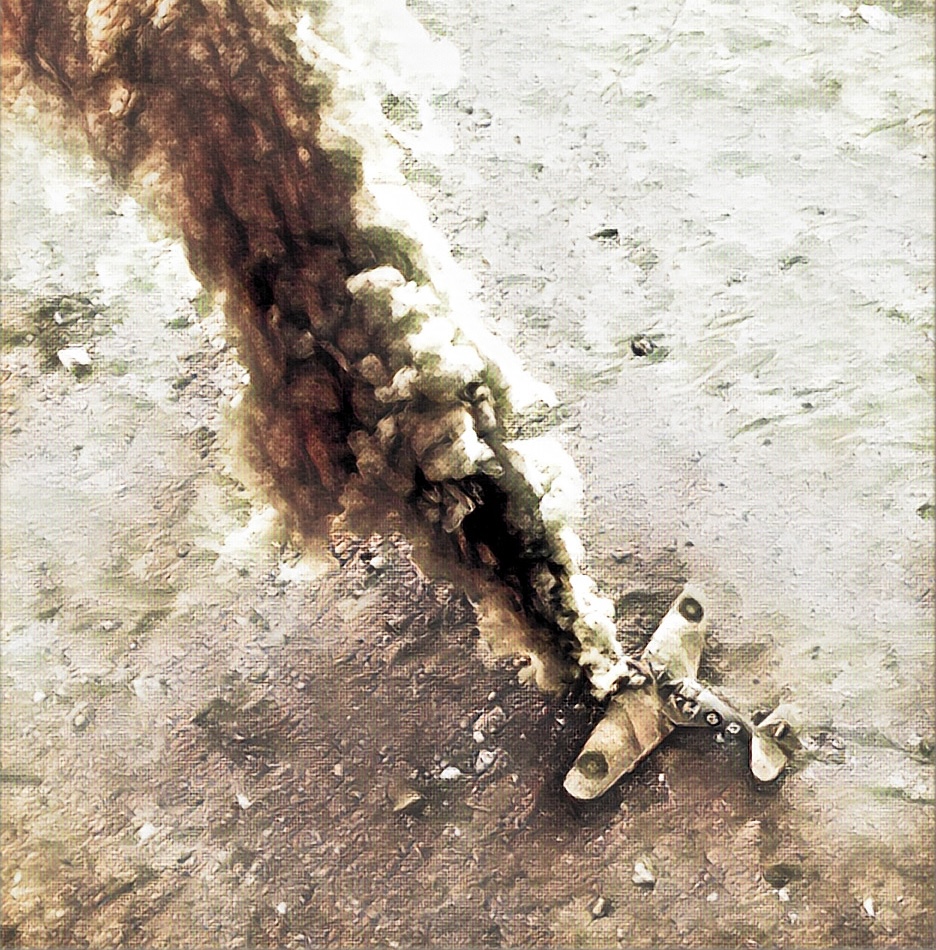
“As German Gen. Erwin Rommel chased British forces across the North African desert, a stray Royal Air Force fighter crashed in the blistering sands of the Egyptian Sahara on June 28, 1942. The pilot was never heard from again. The damaged Kittyhawk P-40 – a couple of hundred miles from civilization – was presumed lost forever.
Until now.
In what experts consider nothing short of a miracle, a Polish oil company worker recently discovered the plane believed to have been flown by missing Flight Sgt. Dennis Copping. And almost 70 years after the accident, it’s extraordinarily well-preserved.”
Stanton, Rog. The Late Arrivals Club. WW2 Escape Lines Memorial Society.
https://ww2escapelines.co.uk/article/the-late-arrivals-club/
“The Late Arrivals Club was formed in Cairo in 1941 by Sqn Ldr George Houghton who, in a PR story, wrote about evaders and referred to an aircrew evader who had returned late to his base as a ‘late arrival’ if they had returned to base much later than the expected time due to the intervention / activity of the enemy [ie. [sic] they were shot down!]
“After the article was published many evaders contacted Houghton with their stories and a ‘Late Arrivals Club’ was formed. He produced a certificate and designed a silver badge, a silver flying boot with wings, which was produced by local silversmiths in Cairo…
The badge and certificate were first issued to the Desert Air Force in June 1941. By the end of the Western Desert Campaign nearly five hundred badges had been awarded. Although it is an unofficial insignia, many air crew wore the badge on the left breast pocket of their flying suit or on their left sleeve. The insignia was also adopted by aircrew of the USAAF and has been incorporated into the logo of the AFEES [Air Force Escape and Evasion Society].”
Bonus Illustrations
 WWII in North Africa