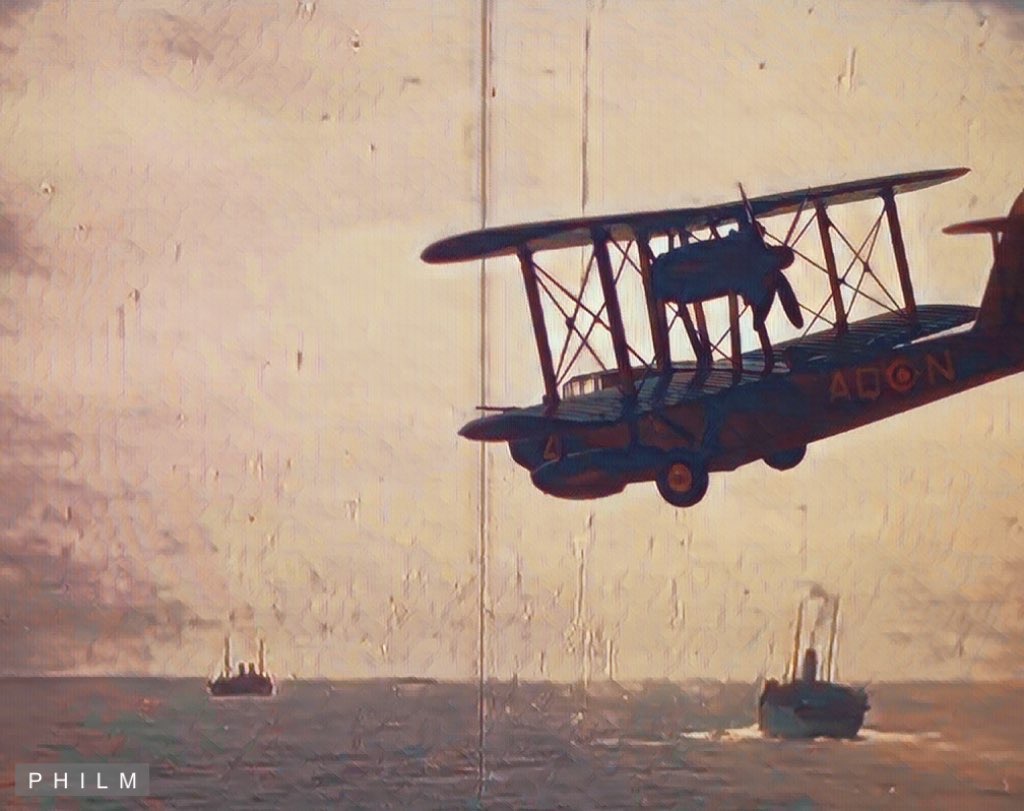
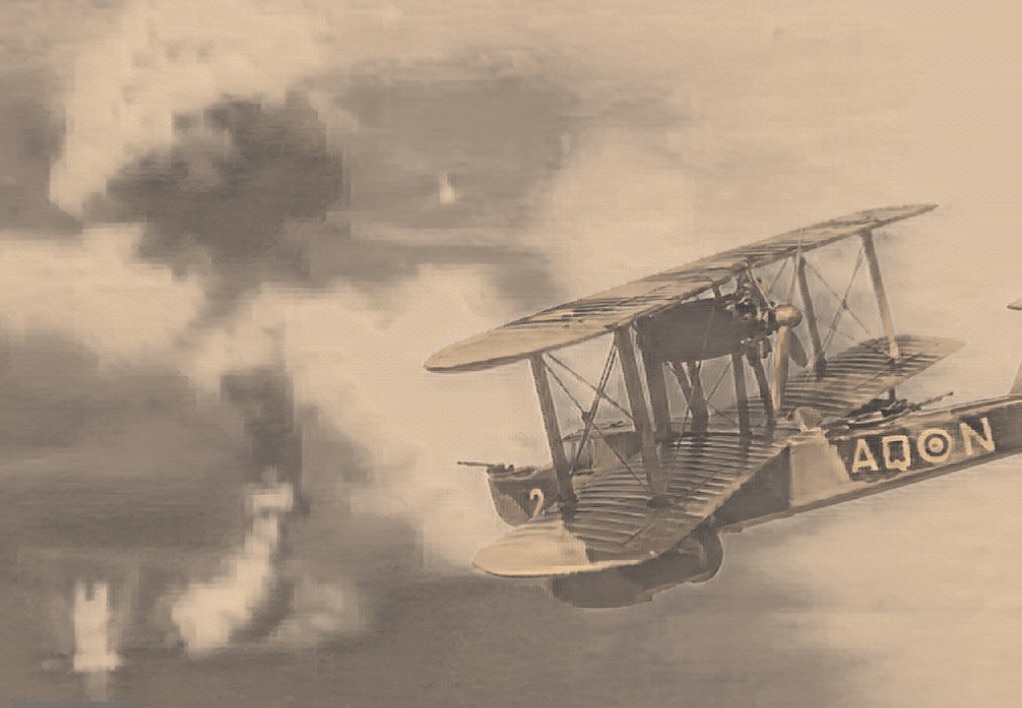
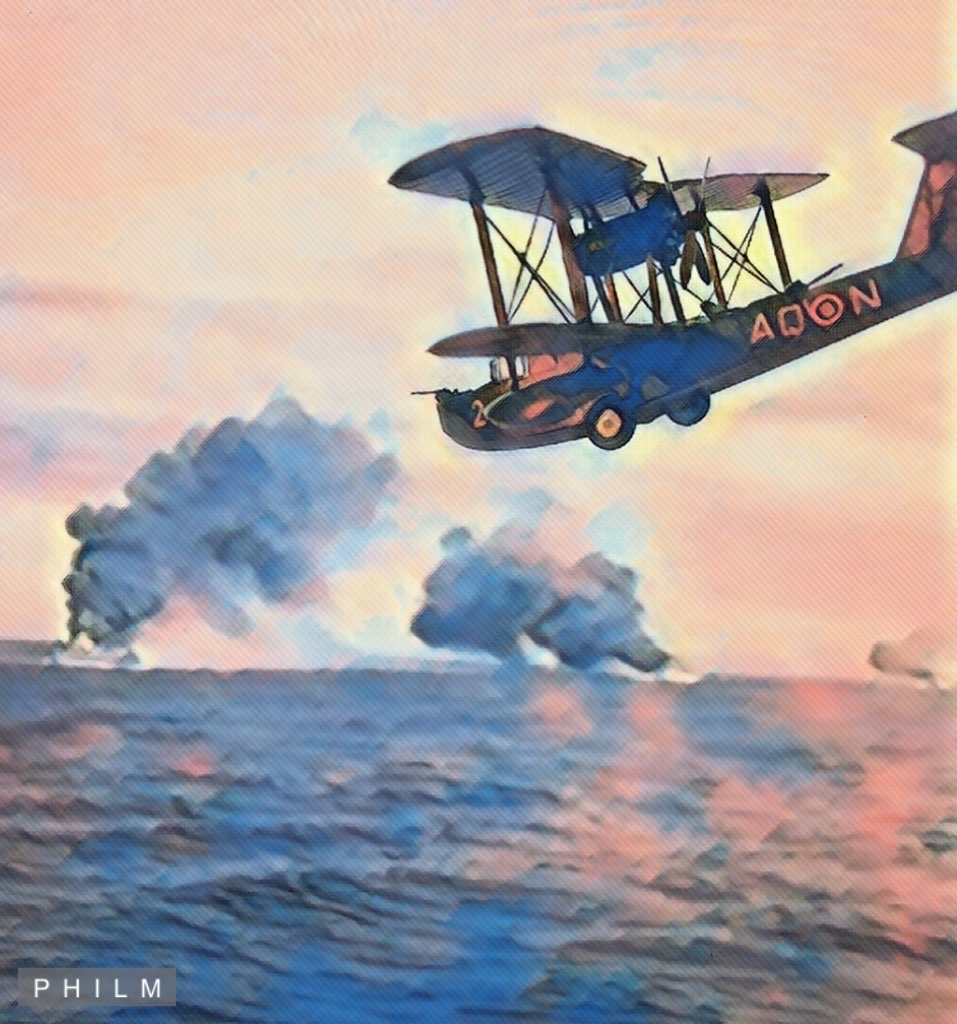
December 1940: A Walrus in the Mediterranean
Bibliography with Notes plus Bonus Content
Bocquelet, David. Supermarine Walrus (1936). Naval Encyclopedia. https://naval-encyclopedia.com/naval-aviation/ww2/uk/supermarine-walrus.php
“…The choice of a pusher configuration, rarely seen since WWI, had the main advantage for a naval plane, to keep the engine and propeller away frim [sic] water spray in operations. It also reducing [sic] the the noise level for the crew, making it more bearable. The propeller’s location also was safely away any crew standing on the front deck when picking up a mooring line to be hoisted aboard.”
Braddock, David. Britain’s Desert War in Egypt and Libya, 1940-1942: ’The End of the Beginning’. Yorkshire: Pen & Sword Books, 20019. Kindle.
Chapter 2 The First British Offensive
“The navy, which by its action at Taranto on 21st October had immobilized the Italian fleet in the East and Central Mediterranean, would help by bombarding the enemy at Maktila, Sidi Barrani, and Solium, while the RAF attacked ports, airfields, supply dumps and coastal shipping…”
Moorehead, Alan, The Desert War: The Classic Trilogy on the North African Campaign 1940-1943. London: Aurum Press Ltd, 2013 Kindle.
BOOK ONE—The Mediterranean Front: The Year of Wavell 1940-41: Seven
“The navy and the R.A.F. would leave no enemy position on the coast in peace even for a single day. Thus Bardia was to be surrounded, plastered from the sea and air, then attacked directly.”
Shores, Christopher F., and Giovanni Massimello with Russel Guest. A History of the Mediterranean Air War, 1940-1945: Volume One: North Africa. London: Grub Street, 2012. Kindle.
CHAPTER 15 IN SUPPORT OF THE ROYAL NAVY
“…Meanwhile the Walrus reached the dinghy which contained the…crew lost three days earlier. However, it could not take off again due to the increased load of the three survivors, and instead the little amphibian continued taxying for six miles towards the coast.”
Stockings, Craig. The Battle of Barida. (Australian Army Campaigns Series Book 9). Sydney: Big Sky Publishing, 2011. Kindle.
CHAPTER 4: Blood in Muatered
“Both the RN and RAN (Royal Navy, Royal Australian Navy) played an important role supporting the infantry assault at Bardia. Besides interdicting enemy supply ships, their ship-to-shore barrages restricted the deployment of Italian reserves and disrupted communications.”
Bonus Illustrations
 WWII in North Africa