Fall 1940: British Preparations for Operation Compass
Bibliography with Notes plus Bonus Content
Braddock, David. Britain’s Desert War in Egypt and Libya, 1940-1942: ‘The End of the Beginning’. Yorkshire: Pen & Sword Books, 20019. Kindle.
Chapter 2 The First British Offensive (1)
“…Field Supply Depot (FSD) 3 and 4, one for each division, were set up in the desert 40 miles west of Matruh between 11th November and 4th December, and were the forerunners of the many which were to serve the army throughout its conquest of Cyrenaica and in later campaigns.”
Jackson, W.G.F. The Battle for North Africa 1940-1943. New York: Mason/Charter Publishers, 1975, p. 31.
“…work out a plan for a two-pronged attack upon the Italians where they stood: Beresford-Pierce’s 4th Indian Division was to advance along the coast to Sidi Barrani, while Creagh’s 7th Armored Division drove through the desert south of the escarpment to attack the Italian flank and rear. Wavell wrote:
‘The operation I have in mind is a short and swift one, lasting four or five days at the most, and taking every advantage of the element of surprise. I should not propose to attempt to retain a large force in the Sidi Barrani area, if the attack were successful, but to withdraw the bulk of forces again to railhead, leaving only light covering forces in the forward area.’”
Judd, Brandon. The Desert Railway: The New Zealand Railway Group in North Africa and the Middle East during the Second World War. Auckland: Publishing Press, 2003. https://www.nzsappers.org.nz/wp-content/uploads/2020/04/The-Desert-Railway.pdf
Chapter 8 OFFENSIVE AND COUNTER-OFFENSIVE
“By 10 December Sidi Barrani was in British possession and several days later troops entered Libya… Sollum and Fort Capuzzo were occupied on the 17th, thereby securing the coastal frontier of Egypt and giving the army a rudimentary port to keep the forward fighting units supplied. Initially the attack had only been planned to last five days, but it gained new impetus on January 3 with the arrival of a replacement division and Bardia fell the next day.”
Judd, Brandon. The Desert Railway: The New Zealand Railway Group in North Africa and the Middle East during the Second World War. Auckland: Publishing Press, 2003. https://www.nzsappers.org.nz/wp-content/uploads/2020/04/The-Desert-Railway.pdf
Chapter 8 OFFENSIVE AND COUNTER-OFFENSIVE
“ …This vital equipment was taken up to the forward railheads by rail, and some had been transported by motor transport (trucks) to places out in the forward desert where it would be available for immediate use. At the same time sufficient stocks…were dispersed at convenient places in the vicinity of Mersa Matruh, whence they might be drawn on as battle progressed.”
Latimer, Jon. Operation Compass. Oxford: Osprey Publishing, 2000. Kindle.
Chapter: The Campaign
“Success had largely been achieved through surprise created by excellent security. Wavell had conspicuously attended the races with his family on December 7 followed by a dinner party for senior officers that evening. The Egyptian Prime Minister, Hussein Sirry Pasha, who took great pride in ‘having sources who keep me informed of all that goes on’, congratulated Wavell ‘on being the first to keep a secret in Cairo’. One problem resulting from the secrecy, however, was the lack of contingency planning for the prisoners who posed enormous difficulties…”
Latimer, Jon. Operation Compass. Oxford: Osprey Publishing, 2000. Kindle.
Chapter: The Campaign
“The Italians were surrounded but by a perilously thin cordon. Fortunately, their persistent inability to mount proper reconnaissance meant that they did not know this.”
Shores, Christopher F., and Giovanni Massimello with Russel Guest. A History of the Mediterranean Air War, 1940-1945: Volume One: North Africa. London: Grub Street, 2012. Kindle.
Chapter 4 Operation Compass
“Thus it was on 5 December Wavell issued the final orders to O’Conner (and the only ones that he actually produced in writing, rather than by word of mouth). The latter sent out his own orders to his subordinate units the next day. 31,000 men, 275 tanks, 120 guns and 60 armoured cars stood ready to advance. On 7 December O’Conner advised that this was not another exercise, but was ‘the real thing’”
Shores, Christopher F., and Giovanni Massimello with Russel Guest. A History of the Mediterranean Air War, 1940-1945: Volume One: North Africa. London: Grub Street, 2012. Kindle.
Chapter 4 Operation Compass
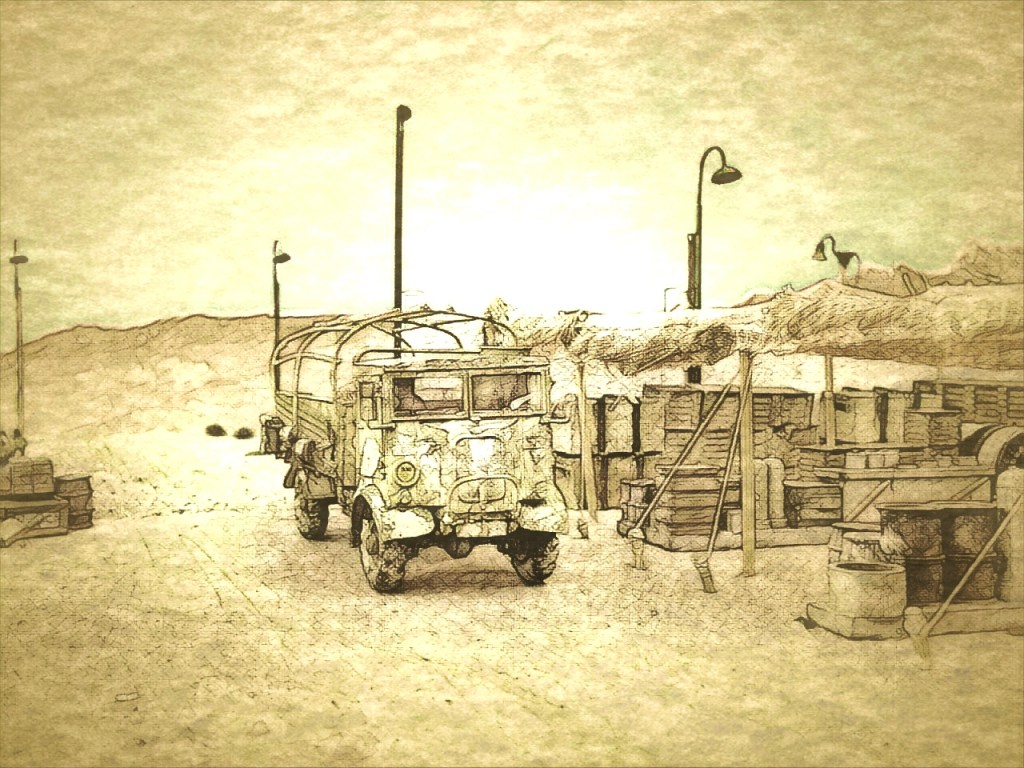
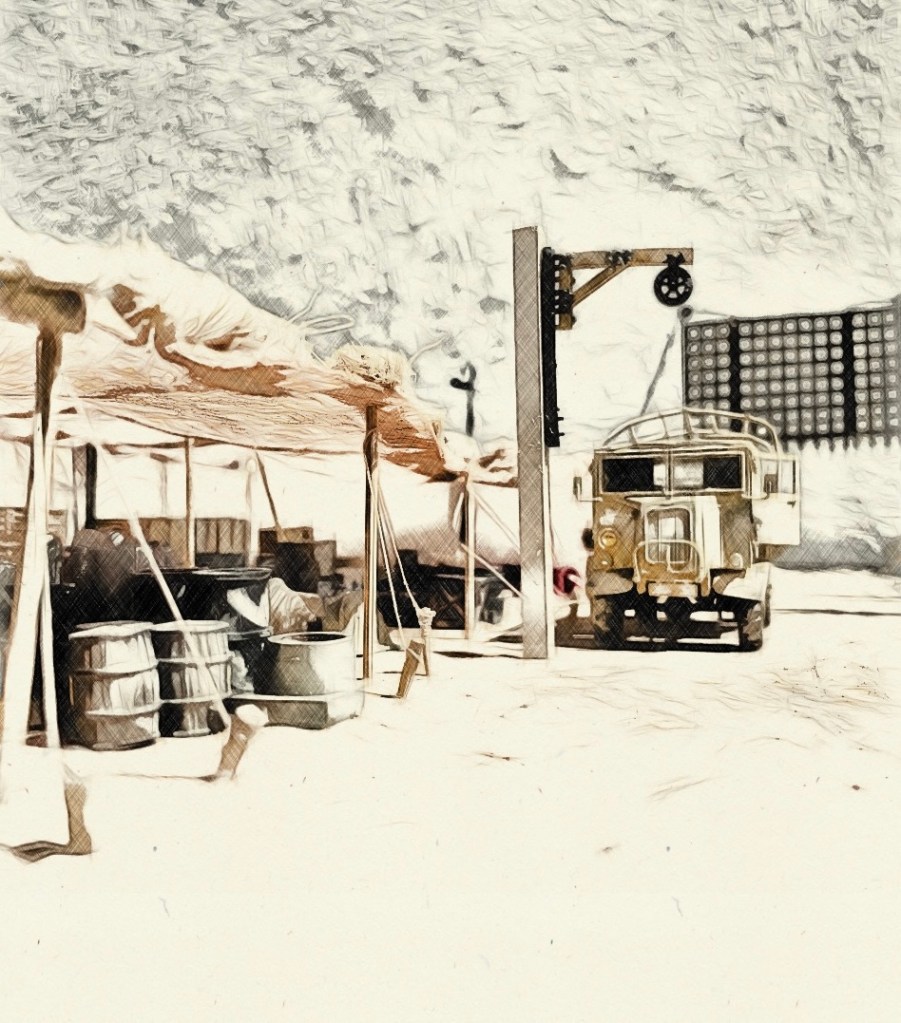
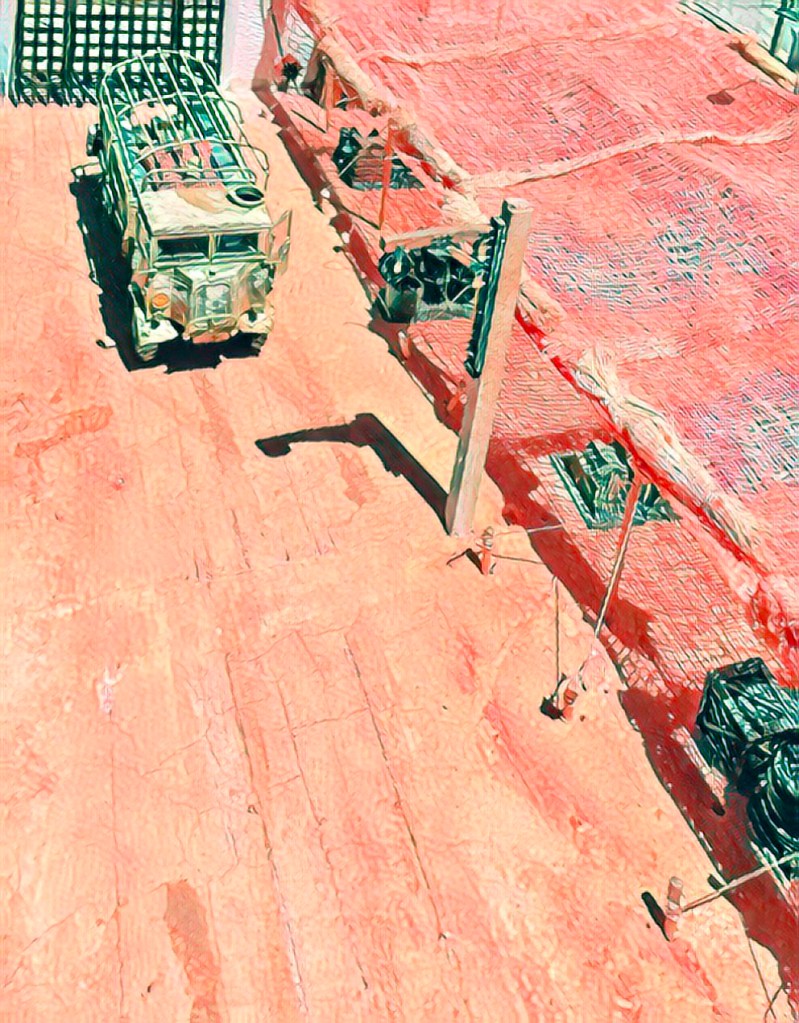
“For the ground forces the distances for re-supply were likely to be very long and forward dumps, known as field supply depots, were created, one for each division, some 40 miles west of Mersa Matruh. Placed 14 miles apart and containing five days fuel and supplies each, they were very carefully set up, concealed and guarded, for their discovery and capture at this stage would jeopardise the whole undertaking.”
Wahlert, Glenn. The Western Desert Campaign 1940-1941
(Australian Army Campaigns Series Book 2). Sydney: Big Sky Publishing, 2011. Kindle.
Chapter: Australia’s First Battle: Bardia
“Some companies had not even had an opportunity to handle a grenade, while others had barely fired their Boys anti-tank rifles due to a shortage of ammunition…only days before the attack an officer drove all the way to Cairo to collect the sights for the mortars. Even basic items such as wire cutters and protective gloves did not arrive until the night before the attack.”
Bonus Illustrations
 WWII in North Africa