Logistics: The Cape of Good Hope and Takoradi
Bibliography with Notes plus Bonus Content
Bickers, Richard Townshend. The Desert Air war: a gripping historical account of the RAF’s role in North Africa during World War II. UK: Lume Books, 2018. Kindle.
Chapter Two
“…In the 1920s and 1930s an alternate route had been reconnoitered…this began with a voyager from Britain to the West African port of Takoradi. Thence the stages were, by air, to Lagos, Kano, Maidurguri, El Geneina in the Sudan, El Fasher, Khartoum and Wadi Halfa to Abu Sueir: 3,700 miles. Although this route was safe from the enemy, it was immune from risks to both aircraft and crews. Each stage involved a long flight, which, particularly in a tropical climate, put severe stress on the engines. The whole journey was over wild country, often in changeable weather. Anyone who was forced down by mechanical trouble, a storm or lack of petrol, might not survive an emergency landing, and, if he did, might not be found for an uncomfortably long time.”
Bickers, Richard Townshend. The Desert Air war: a gripping historical account of the RAF’s role in North Africa during World War II. UK: Lume Books, 2018. Kindle.
Chapter Four
“On 12 May a convoy reached Alexandria with fifty Hurricanes and 306 tanks. By now, also, the trickle from Takoradi was becoming a steady flow.”
Cooper, Artemis. Cairo in the War 1939-1945. London: John Murray (Publishers), 2013. Kindle.
Chapter: Prologue
“…than it was for the majority of men, who arrived by troopship and train after a long voyage round the Cape which might have taken up to seventy days.”
Jackson, W.G.F. The Battle for North Africa 1940-1943. New York: Mason/Charter Publishers, 1975. p 17.
“Reinforcing the Middle East was no longer an easy matter. The Mediterranean was closed to all but fast and heavily escorted ships. The long haul around the Cape of Good Hope took a month longer for fast convoys and over two months more for the slow. Aircraft could not be flown out over France and French North Africa. Fortunately French Equatorial Africa’s allegiance to de Gaulle made it practicable to establish a trans-African air reinforcement route between Takadori on the Gold Coast through Lagos, Kano, Fort Lamy to Khartoum and finally Cairo.”
Latimer, Jon. Operation Compass. Oxford: Osprey Publishing, 2000. Kindle.
Chapter: Opposing Forces
“…but by the end of the year he possessed only 87 Hurricane fighters, 85 Blenheim IVs and 41 Wellington Bombers. It took 70 days for reinforcements to reach Egypt via the Cape. In July 1940, an advanced party of technicians was sent to Takoradi in the Gold coat (Ghana) to begin work on the installations necessary to open the new trans-Africa route for reinforcement aircraft designed to handle up to 140 aircraft per month…the first reinforcement flight took off on (sic) September…by the end of October 1943, over 5,000 aircraft had been dispatched to Egypt via the Takoradi route.”
Shores, Christopher F., and Giovanni Massimello with Russel Guest. A History of the Mediterranean Air War, 1940-1945: Volume One: North Africa. London: Grub Street, 2012. Kindle.
Chapter 3: Graziani Makes a Move
“The first four Blenheims and five Hurricanes to have completed the many stages of the flight from West Africa to Egypt, arrived…”
Shores, Christopher F, and Giovanni Massimello with Russel Guest. A History of the Mediterranean Air War, 1940-1945: Volume One: North Africa. London: Grub Street, 2012. Kindle.
Chapter 4 Operation Compass
“This proved to be a quieter day. All Italian forces in Egypt had now been driven across the border back into Libya…More reinforcements were on the way, for during the first week of December HMS Furious had landed 34 Hurricanes and their pilots at Takoradi. On 17 December would come the news that this carrier was sailing again with more than 40 more of these fighters for delivery in early January.”
Shores, Christopher F., and Giovanni Massimello with Russel Guest. A History of the Mediterranean Air War, 1940-1945: Volume One: North Africa. London: Grub Street, 2012. Kindle.
Chapter 3 Graziani Makes a Move
“…any such deliveries had to be made to the West African ports. This would require the erection and testing of the aircraft to be undertaken there, followed by the long, arduous flight across the reinforcement route to Egypt via the Sudan…had the double disadvantage of eating up flying hours also, reducing the period until overhaul was necessary.”
Shores, Christopher F, and Giovanni Massimello with Russel Guest. A History of the Mediterranean Air War, 1940-1945: Volume One: North Africa. London: Grub Street, 2012. Kindle.
Chapter 2 The Opening Rounds
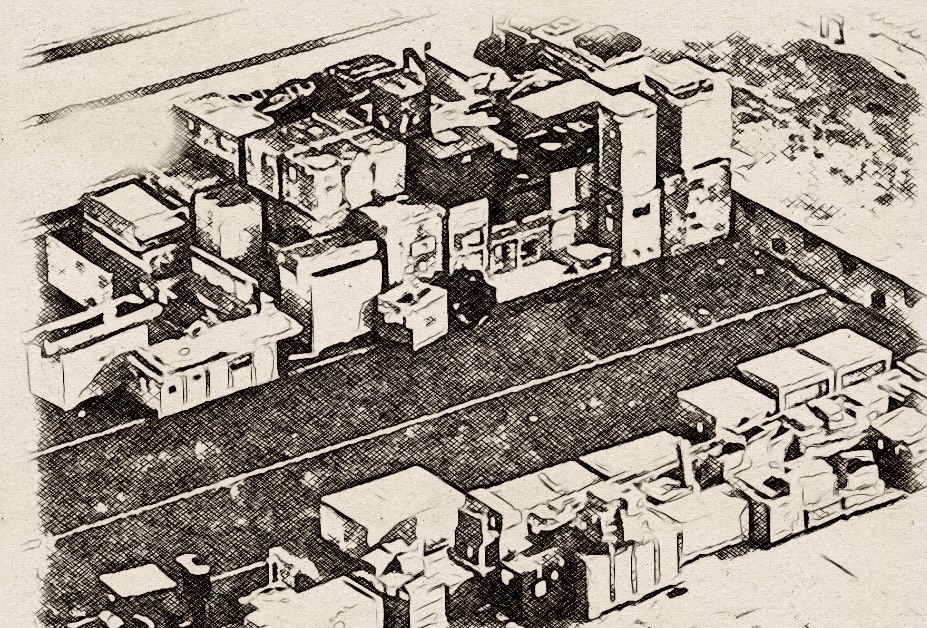
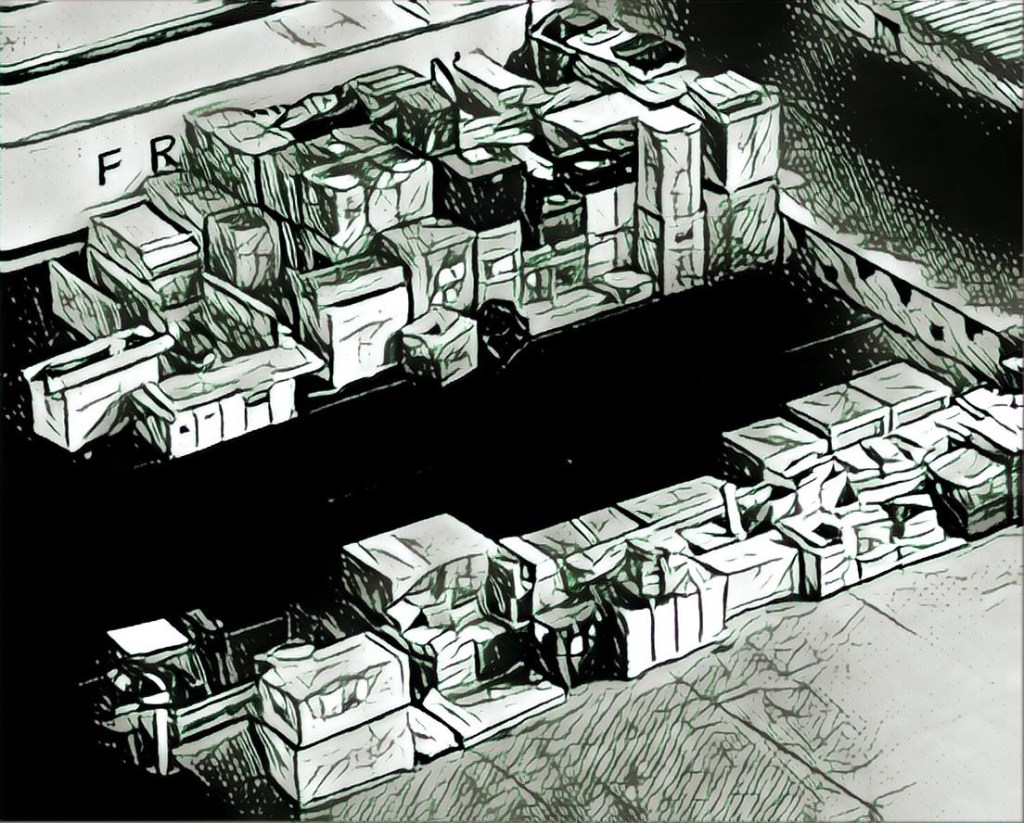
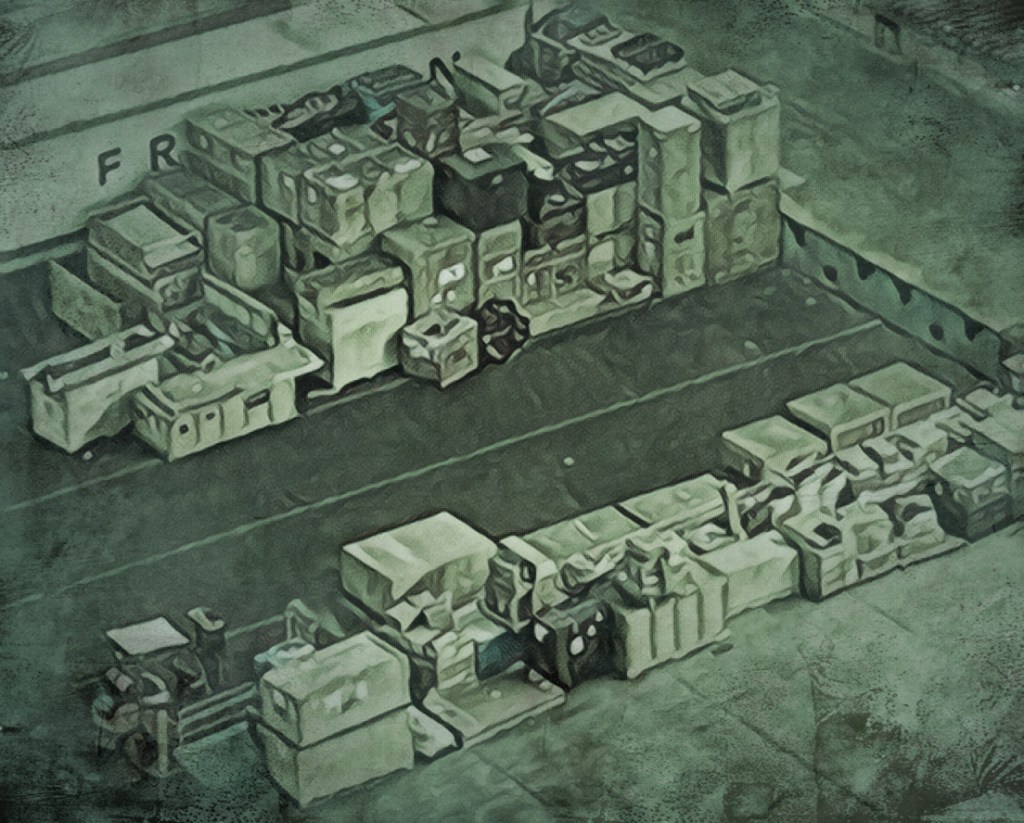
“…24 Hurricanes had indeed been dispatched by sea around the Cape and by mid-August were approaching southern Egypt by mid August. 36 more would be delivered to Takoradi in crates where they would be erected and flown right across the continent. The first would arrive early in September.”
Shores, Christopher F., and Giovanni Massimello with Russel Guest. A History of the Mediterranean Air War, 1940-1945: Volume One: North Africa. London: Grub Street, 2012. Kindle.
Chapter 4 Operation Compass
“…By now only a trickle of fighter reinforcements were coming through the air route and hardly any crated Hurricanes were arriving by sea. The Mediterranean was almost closed due to the Luftwaffe presence.”
Bonus Illustrations
 WWII in North Africa