The Bristol Bombay Bomber/Transport Part 1
Bibliography with Notes plus Bonus Content
Dingers Aviation Pages, The Bristol Bombay—An under-appreciated British transport/bomber aircraft of WW2. https://dingeraviation.net/bristol/bombay.html
The hybrid bomber/transport type was a class of aircraft prompted by the RAF’s heavy commitment to policing duties in British mandates in the Middle East and on the borders of India.”
Dingers Aviation Pages, The Bristol Bombay—An under-appreciated British transport/bomber aircraft of WW2. https://dingeraviation.net/bristol/bombay.html
“The two gunners would be RAF tradesmen, usually one would be an engine mechanic and the other an airframe rigger, to provide the ability to do running repairs away from base.”
Dingers Aviation Pages, The Bristol Bombay–An under-appreciated British transport/bomber aircraft of WW2. https://dingeraviation.net/bristol/bombay.html
“So Bristol Type 130 production had to wait until the factory and its airfield were built.”
Dingers Aviation Pages, The Bristol Bombay–An under-appreciated British transport/bomber aircraft of WW2. https://dingeraviation.net/bristol/bombay.html
“To make the Bombay fleet self-supporting, up to three Bristol Pegasus engines could be loaded. The large side cargo hatch was removed, a metal beam was bolted into place above the hatch which then mated with a beam that ran the length of the passenger compartment. The engines could then be suspended from the beam and slid along it into place within the fuselage, where they could be secured in place by retaining rods and chains. Once in place, the loading beam was removed and stowed and the cargo hatch put back.”
Dingers Aviation Pages, The Bristol Bombay—An under-appreciated British transport/bomber aircraft of WW2. https://dingeraviation.net/bristol/bombay.html
“An alternative use for the Bombay was as an aerial ambulance. It could carry a maximum of 10 stretchers or a mix of stretcher cases and walking wounded.”
Dingers Aviation Pages, The Bristol Bombay—An under-appreciated British transport/bomber aircraft of WW2. https://dingeraviation.net/bristol/bombay.html
“The Bombay had two large water tanks and an emergency ration pack in case of crashing in a remote desert location. It carried an extensive toolkit for carrying out running repairs.”
Dingers Aviation Pages, The Bristol Bombay—An under-appreciated British transport/bomber aircraft of WW2. https://dingeraviation.net/bristol/bombay.html
“The trimming issue went on to affect the Bombay’s service career… instead, one or two bamboo sticks would be stuck protruding out of the rear turret slot, in the hope that it would deter an attack by enemy fighters.”
Dingers Aviation Pages, The Bristol Bombay—An under-appreciated British transport/bomber aircraft of WW2. https://dingeraviation.net/bristol/bombay.html
“The Bombay had a remarkably short takeoff and landing run for such a large aircraft… a takeoff in a Bombay was described as, ‘like going up in a lift (that’s an elevator to anyone in the US)’.”
Dingers Aviation Pages, The Bristol Bombay—An under-appreciated British transport/bomber aircraft of WW2. https://dingeraviation.net/bristol/bombay.html
“Under certain conditions of loading, if too much weight was put into the rear of the passenger compartment and then someone moved into the tail section, the aircraft would become uncontrollable.”
Nash, Ed. Military Matters Online, Bristol Bombay the Forgotten Work Horse.
https://militarymatters.online/forgotten-aircraft/bristol-bombay-the-forgotten-work-horse/
“It was also, despite appearing antiquated, a thoroughly modern design at the beginning of the Second World War.”
Nash, Ed. Military Matters Online, Bristol Bombay the Forgotten Work Horse.
https://militarymatters.online/forgotten-aircraft/bristol-bombay-the-forgotten-work-horse/
“…an aircraft that was intended for colonial duties, primarily in Africa, India and the Middle East.”
Nash, Ed. Military Matters Online, Bristol Bombay the Forgotten Work Horse.
https://militarymatters.online/forgotten-aircraft/bristol-bombay-the-forgotten-work-horse/
“The two gunners would be volunteers who were normally squadron maintenance personnel and so would be able to conduct repairs if need be.”
Bonus Illustrations
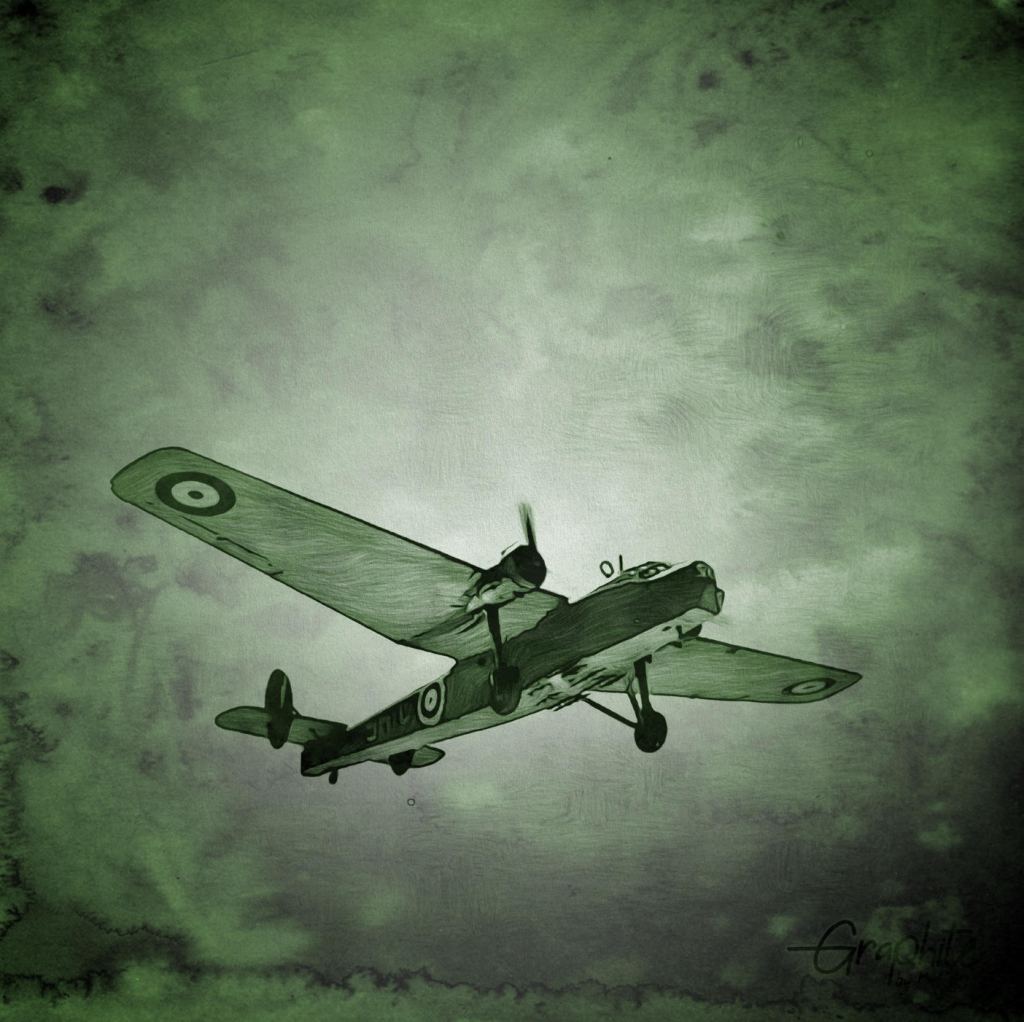
 WWII in North Africa