The Battlefield: 1,000 Miles Wide by Fifty Miles Deep
Bibliography with Notes plus Bonus Content
Delve, Ken. The Desert Air Force in WWII: Air Power in the Western Desert 1940-1942. South Yorkshire: Pen & Sword Books, Ltd, 2017. Kindle.
Chapter 1: Introduction
“The main battle ground was a narrow strip adjacent to the coast and which stretched for more than 1,000 miles; the distance from Alexandria (in the east in Egypt) to Tripoli (in the west and 100 miles or so from the border with Tunisia) was roughly the same as from Berlin to Moscow.”
Judd, Brandon. The Desert Railway: The New Zealand Railway Group in North Africa and the Middle East during the Second World War. Auckland: Publishing Press, 2003. https://www.nzsappers.org.nz/wp-content/uploads/2020/04/The-Desert-Railway.pdf
Chapter 5 EL DAABA AND MERSA MATRUH
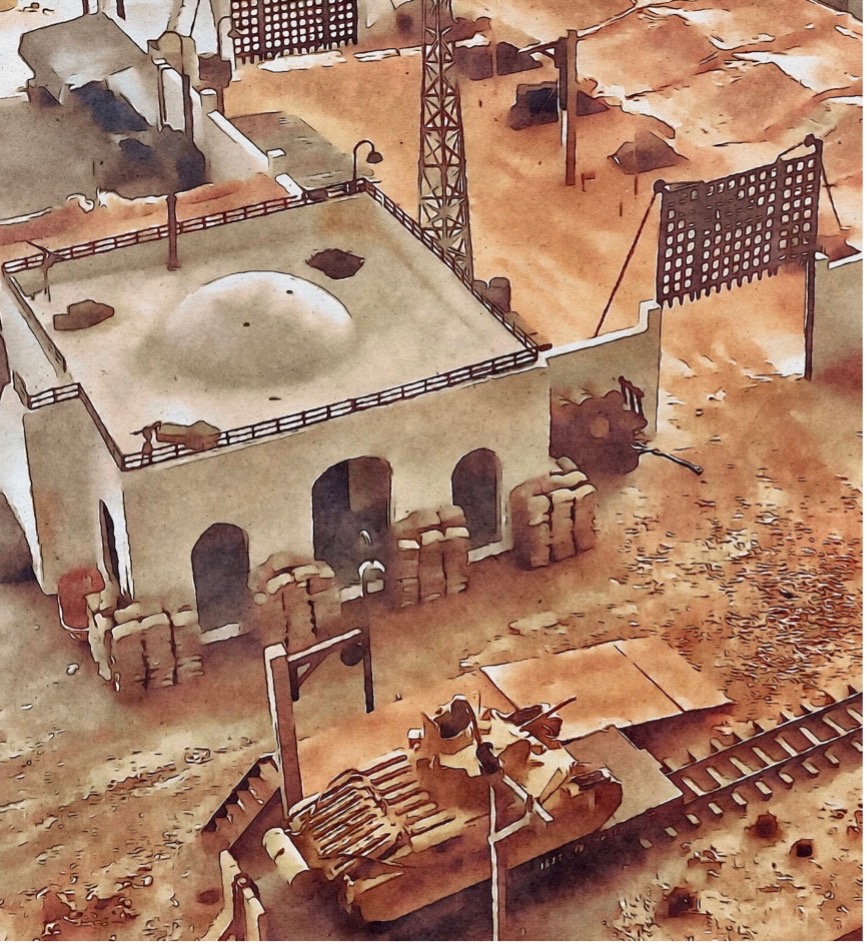
“…a detachment of operating personnel was sent to Mersa Matruh, the western Desert Railway terminus. Situated as it is right on the coast, Mersa Matruh was a popular holiday destination for the wealthy from Cairo and Alexandria…
“Anti-aircraft batteries manned by Egyptian soldiers went into action at Mersa Matruh in the first weeks of the war…
“The town was an important target and the New Zealanders were frequently obliged to take cover as enemy planes roared overhead dropping bombs on them,” p. 67.
Latimer, Jon. Operation Compass. Oxford: Osprey Publishing, 2000. Kindle.
Chapter: Origins of Campaign
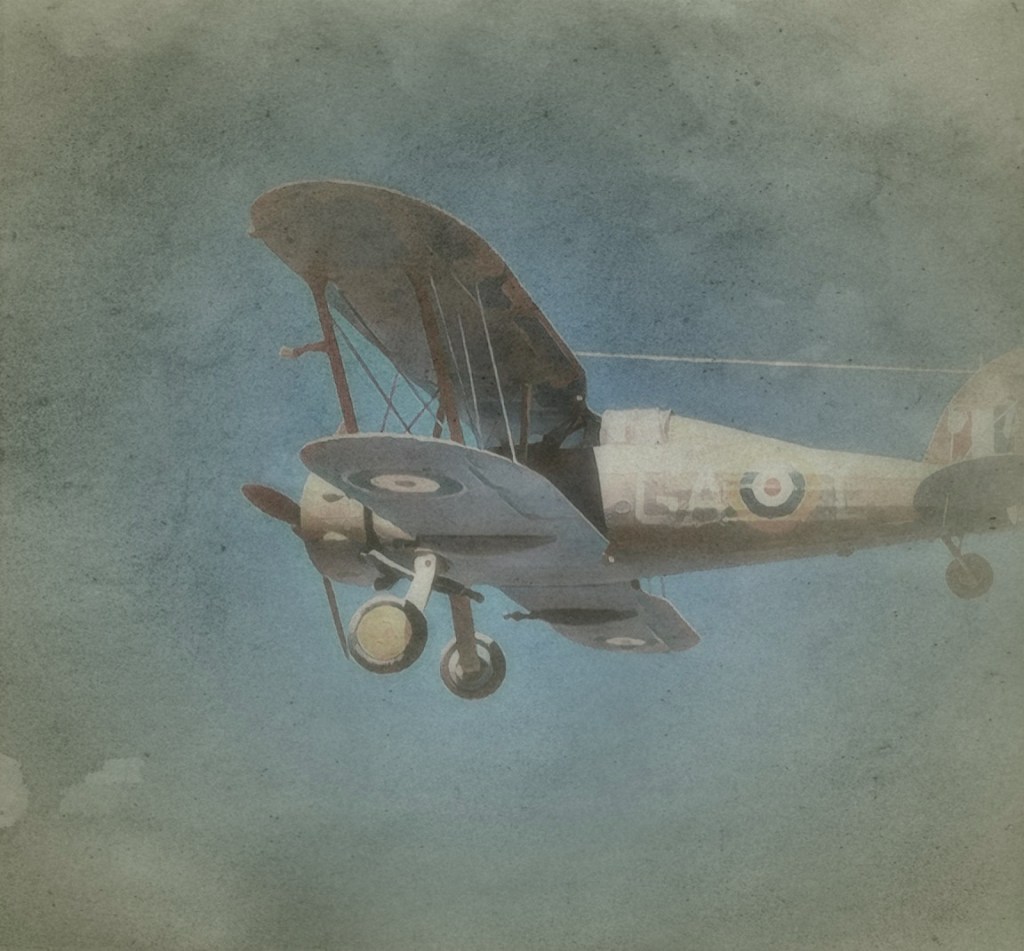
“No. 3 Squadron, Royal Australian Air Force operated Gladiators throughout the campaign. Although it had long been withdrawn from service in Europe. It was the last single seat bi-plane fighter to serve with the RAF and was armed with four .303 in. (8mm) Browning machine-guns. With a top speed of only 246mph (397km/h) and was unhappy above 20,000 feet, (6066m) it was nevertheless extremely manoeuvrable [sic].”
Moorehead, Alan. The Desert War: The Classic Trilogy on the North African Campaign 1940-1943. London: Aurum Press Ltd, 2013. Kindle.
BOOK ONE—The Mediterranean Front: The Year of Wavell 1940-41: One
“…To Mersa Matruh went Antony and Cleopatra to enjoy that glorious bathing.”
Owen, Major-General David Lloyd. The Long Range Desert Group 1940-1945 Providence Their Guide. South Yorkshire: Pen & Sword Books Ltd, 2008. Kindle.
Part One—Chapter 2 The Patrol Structure
“Few people realize that in 1940 there was only one tarmac road in the whole of Libya, and that ran mostly along, or within fifty miles of, the coast for the whole way from Tunis to Alexandria. In one or two places tracks were marked by tall iron beacons every few kilometres. Otherwise there were no recognized roads as such.”
Bonus Illustrations
Bonus Content
Another obsolete aircraft…Lysander
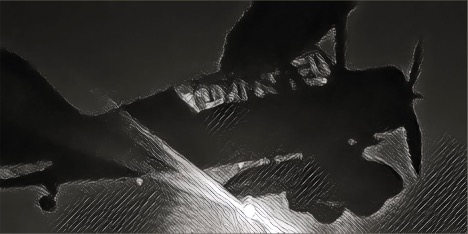
As mentioned in the Introduction, another British airplane not fit for modern combat in the air was the Westland Lysander. Like the Avro Anson (obsolete for Coastal Patrol, but converted to trainers for bomber crews, or as personnel taxi), the Lysander found second life in a clandestine role.
There’s a ton written about the Lysander flights into France where the planes would land in farm fields or clearings in the woods. They delivered agents and supplies for the Special Operations Executive (SOE) and sometimes rescued downed fliers who had evaded capture with the aid of the large French underground network.
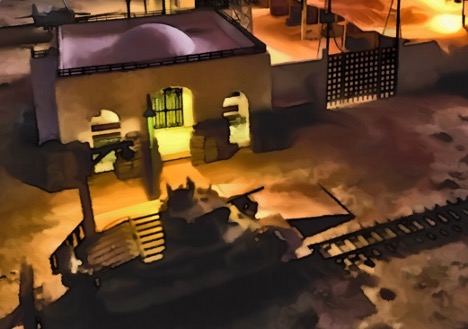
In this shot, a Lysander takes off as the moon rises. Moonlight made navigation possible, especially identifying gleaming rivers. Agents behind the lines in hostile territory would light up the ad-hoc airfield when they could hear the Lysander engine humming. Torches, auto headlights, or firepots were placed strategically to indicate the pilot’s approach.
With the engine running and utmost urgency, agents jumped off (a permanent ladder was attached) and anyone going back to England climbed in.
Source: Public domain photo treated with editing software
Schofield, Victoria. WAVELL Soldier and Statesman. John Murry Publishers, 2006. Great Britain.
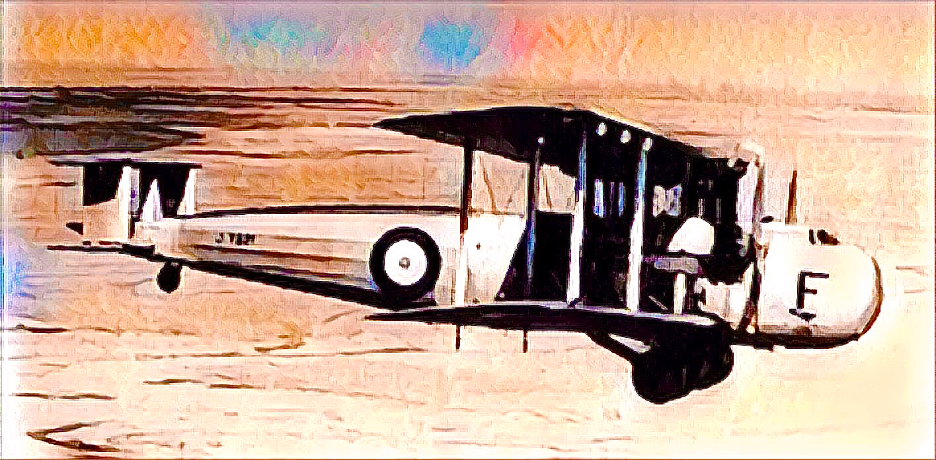
With its twin box kite tail and bulbous Beluga whale snout, the ungainly Vickers Valentia served in North and East Africa.
Poor General Wavell, newly appointed as Commander-In-Chief of the Mideast in 1939, would repeatedly complain about the embarrassment of having to fly to meetings with his colleagues in government and the military in such an old, slow aircraft. Even his pilots made jokes.
Wavell argued it served to undermine his authority and credibility.
Valentia pilots flew in the open air with no enclosed cockpit cabin, only a windscreen. It is hard to get a sense of scale in this image, the Valencia could carry eleven passengers.
 WWII in North Africa